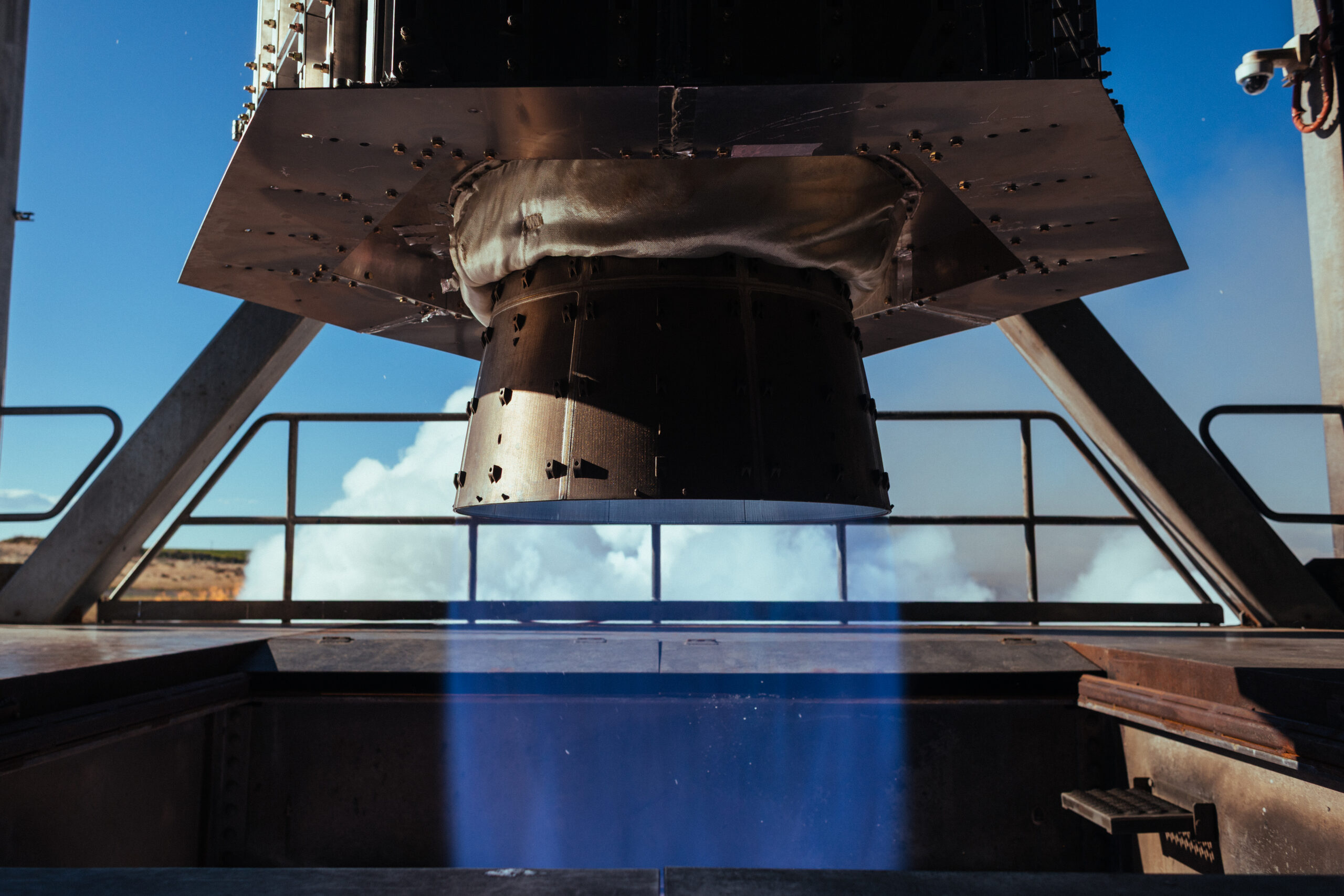
ispace Boosts Lunar Mission Success with Boltline MES
“Building lunar landers for the far side of the Moon demands unwavering traceability and efficiency. Boltline’s real-time tracking and flexible workflows have streamlined our hardware processes and built the accountability we need to hit Mission 3 milestones.”
— Isaiah Janzen, Manufacturing Lead US, ispace-US
Overview
ispace, a global lunar exploration company, is scaling for its upcoming mission to the Moon’s far side (NET 2027). To meet high-stakes needs, ispace adopted Boltline, an end-to-end platform built for complex aerospace hardware.
For teams that need manufacturing execution system software, Boltline links clear tracking, real-time global teamwork, and shop-floor workflows. It helps speed up precision work and documentation across every site.
Traditional MES production software often fits high-volume output. ispace needed something more flexible for low-volume, high-mix hardware builds. Boltline fits that need and stands out among MES solutions for aerospace & defense.
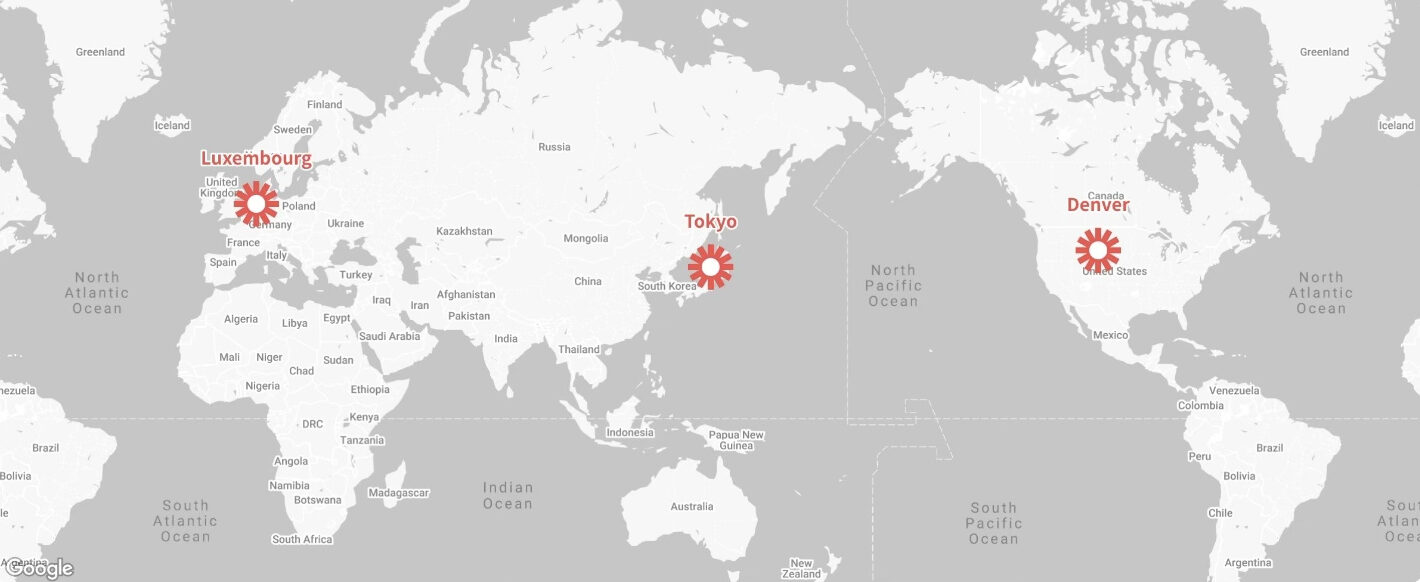
Source: ispace Locations
Challenges
As ispace prepared for Mission 3 (Team Draper Commercial Mission 1), the team saw the risks that come with scaling high-precision lunar hardware. The main issues were tracking gaps, inventory waste, and possible AI&T delays.
Operations also stretched across the U.S., Luxembourg, and Japan. That made multi-site coordination, cross-border compliance, and team collaboration critical.
Generic software was not enough. The company needed MES solutions for aerospace & defense that could handle iterative work, changing specs, and low-volume builds.
Solution
ispace partnered with Boltline, an end-to-end engineering toolset for complex hardware like lunar landers. It brought one system to the full build flow and showed why it is one of the best MES options for aerospace teams:
- End-to-End Tracking: Work Plan Runs log each action, user, and time stamp. This gives a full hardware track record and shows where parts came from, how they were handled, and who processed them.
- Mobile-First Workflow Integration: Tablets and iPads on the shop floor let teams run work steps, add photos, and keep moving. This speeds up documentation without breaking flow.
- Real-Time Remote Monitoring: The web browser view shows live updates. Teams can watch ISO Class 7 clean room work without going in and can help from Englewood, Colorado, or other sites.
- Flexible Inventory and Process Management: Configurable modules work well for inventory counts and shift easily across teams. They support needs beyond AI&T and improve day-to-day flow.
- Global Compliance Enablement: Boltline supports local rules, secure teamwork, version control, and clear accountability. That helps teams get it right the first time and avoid costly redo work.
Proven Results: Overcoming Challenges with Boltline
Boltline directly addressed ispace’s expected hurdles: tracking gaps, inventory waste, multi-site coordination, and compliance complexity. It sped up hardware processing at ispace-U.S. for Mission 3 while improving efficiency, accountability, and global teamwork.
In the company’s first post-rollout inventory count of its multimillion-dollar flight hardware portfolio, Boltline reached 99.9%+ accuracy. The result beat expectations and brought major benefits to quality and logistics, beyond the original AI&T focus.
About ispace, inc.
ispace, a global lunar resource development company with the vision, “Expand our planet. Expand our future.”, specializes in designing and building lunar landers and rovers. ispace aims to extend the sphere of human life into space and create a sustainable world by providing high-frequency, low-cost transportation services to the Moon. The company has business entities in Japan, Luxembourg, and the United States with more than 300 employees worldwide. For more information, visit: www.ispace-inc.com and follow us on X: @ispace_inc.
Q&A
Question: What specific problems did Boltline solve for ispace during Mission 3 prep?
Short Answer: Boltline closed tracking gaps, cut inventory waste, improved multi-site coordination, and simplified compliance. Its click-by-click Work Plan Runs, live monitoring, and flexible inventory modules gave teams clear visibility across the U.S., Luxembourg, and Japan and helped avoid AI&T delays.
Question: How does Boltline support end-to-end tracking for complex lunar hardware?
Short answer: Every step is logged with the user, action, and time stamp in Work Plan Runs. This creates a full chain of custody for parts, from origin to handling to final processing, and supports audit-ready records.
Question: How did shop-floor execution improve after adopting Boltline?
Short answer: Mobile-first workflows on tablets and iPads let technicians complete steps, add photos directly to the work step, and document work without breaking flow. This sped up iterations, kept records in sync, and reduced rework on costly, sensitive hardware.
Question: How did ispace monitor clean room activity without disrupting work?
Short answer: Through Boltline’s browser-based, live remote monitoring, teams could watch ISO Class 7 clean room processes without entering the room. Experts in Englewood, Colorado, and other locations gave live support to in-room teams and third-party sites.
Question: What measurable results did ispace see from Boltline’s inventory tools?
Short answer: In the first inventory count after rollout, Boltline delivered 99.9%+ accuracy across ispace’s multimillion-dollar flight hardware portfolio. It beat expectations and extended gains to quality and logistics, beyond the original AI&T scope.