Digital Work Instructions for Aerospace Test Operations
Author: Erik Cutts
Boltline is a hardware traceability and manufacturing execution platform built for teams shipping complex hardware fast. It connects work plans, inventory, and builds automatically, so what happens on the floor stays linked to the record across the full hardware lifecycle.
Boltline started inside Stoke Space, a company actively building a fully reusable rocket. While building flight hardware, our team kept hitting the same wall every hardware company hits: work plans, inventory, and builds living in siloed tools, and every change meant manual updates in multiple places. So we built the connection layer ourselves, as engineers on the build floor, solving it for our own company.
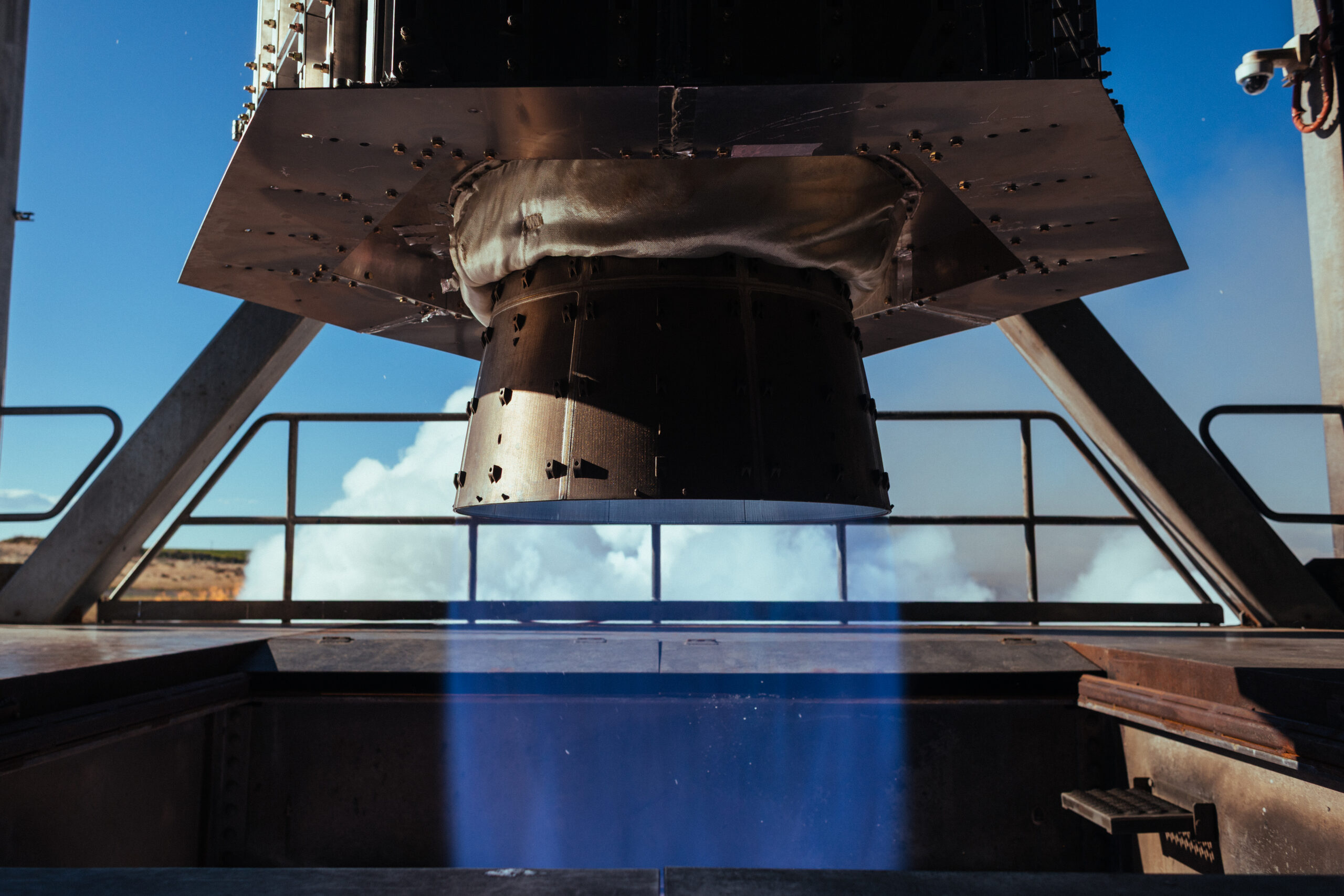
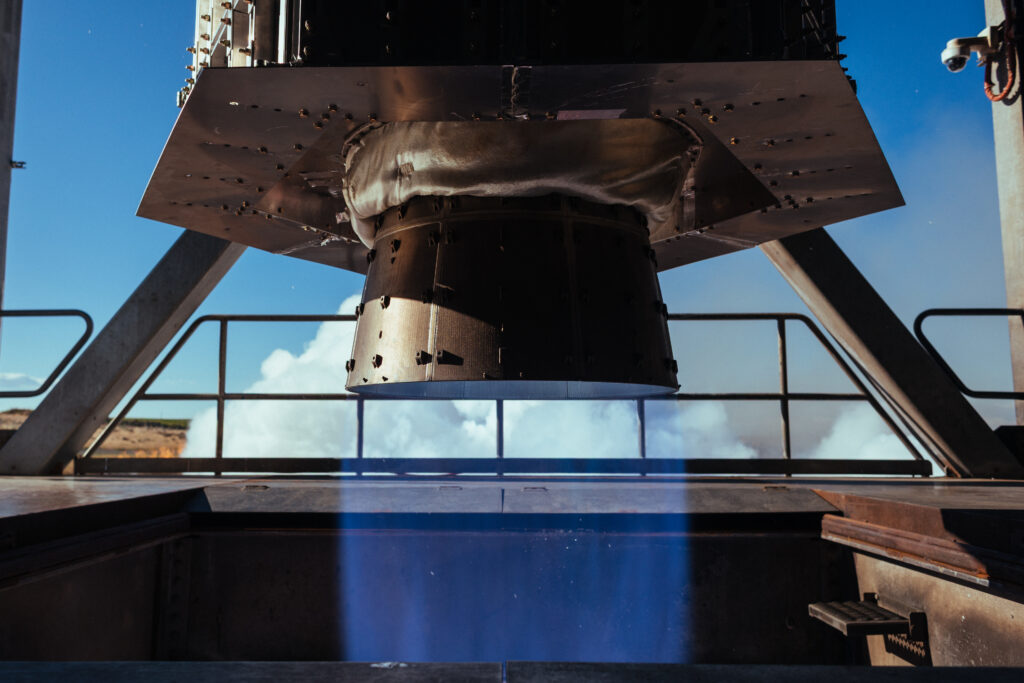
I recently had the opportunity to shadow operators executing tests of Stoke Space’s Zenith engine at its Moses Lake Test Site. Zenith is a 100,000-lb.-thrust, full-flow staged combustion engine, designed to launch Stoke’s fully reusable Nova Rocket. Watching a live test from the control room gave me, an engineering manager at Boltline, a much clearer picture of what our digital work instructions need to do well to support operations like this.
During the test, I saw firsthand how Boltline serves as the interface operators use to step through hazardous procedures. Three takeaways stood out:
1. Centralized Information Reduces Operator Cognitive Load
Operators are tracking a lot of state simultaneously. Switching between tools or data sources costs time and attention. Boltline consolidates what operators, technicians, and test directors need into a single source of truth; accessible before, during, and after testing.
2. Latency and Predictability Are Safety Requirements
Hazardous procedure execution requires a user interface that is fast, consistent, and unambiguous. Slow rendering, unexpected state transitions, or unclear feedback aren’t just user experience problems; they’re operational risks.
For digital work instructions running during live hazardous testing, “fast enough most of the time” isn’t a standard. The interface has to behave the same way every time, under the same conditions, with no surprises.
3. Multi-User, Multi-Location Synchronous Execution Has to Be First-Class
Steps are executed concurrently by operators in different locations with varying network conditions. Every interaction needs to be logged with clear attribution. The system has to handle this reliably, not as an edge case.
Why This Matters
The visit sharpened my thinking on where the bar is for this kind of software. Good engineering here has real consequences: the same digital work instructions that guide a routine checkout also guide a hazardous propellant load.
Curious how Boltline supports operators through hazardous procedures in real time? Get in touch with our team.