Top 3 Must-Have Features in Manufacturing Traceability Software
Author: Erik Cutts
Boltline is a hardware traceability and manufacturing execution platform built for teams shipping complex hardware fast. It connects work plans, inventory, and builds automatically, so what happens on the floor stays linked to the record across the full hardware lifecycle.
Boltline started inside Stoke Space, a company actively building a fully reusable rocket. While building flight hardware, our team kept hitting the same wall every hardware company hits: work plans, inventory, and builds living in siloed tools, and every change meant manual updates in multiple places. Stoke was missing a manufacturing tracking software tool and could not find product traceability software that checked all of the boxes, so we built the connection layer ourselves, as engineers on the build floor, solving it for our own company.
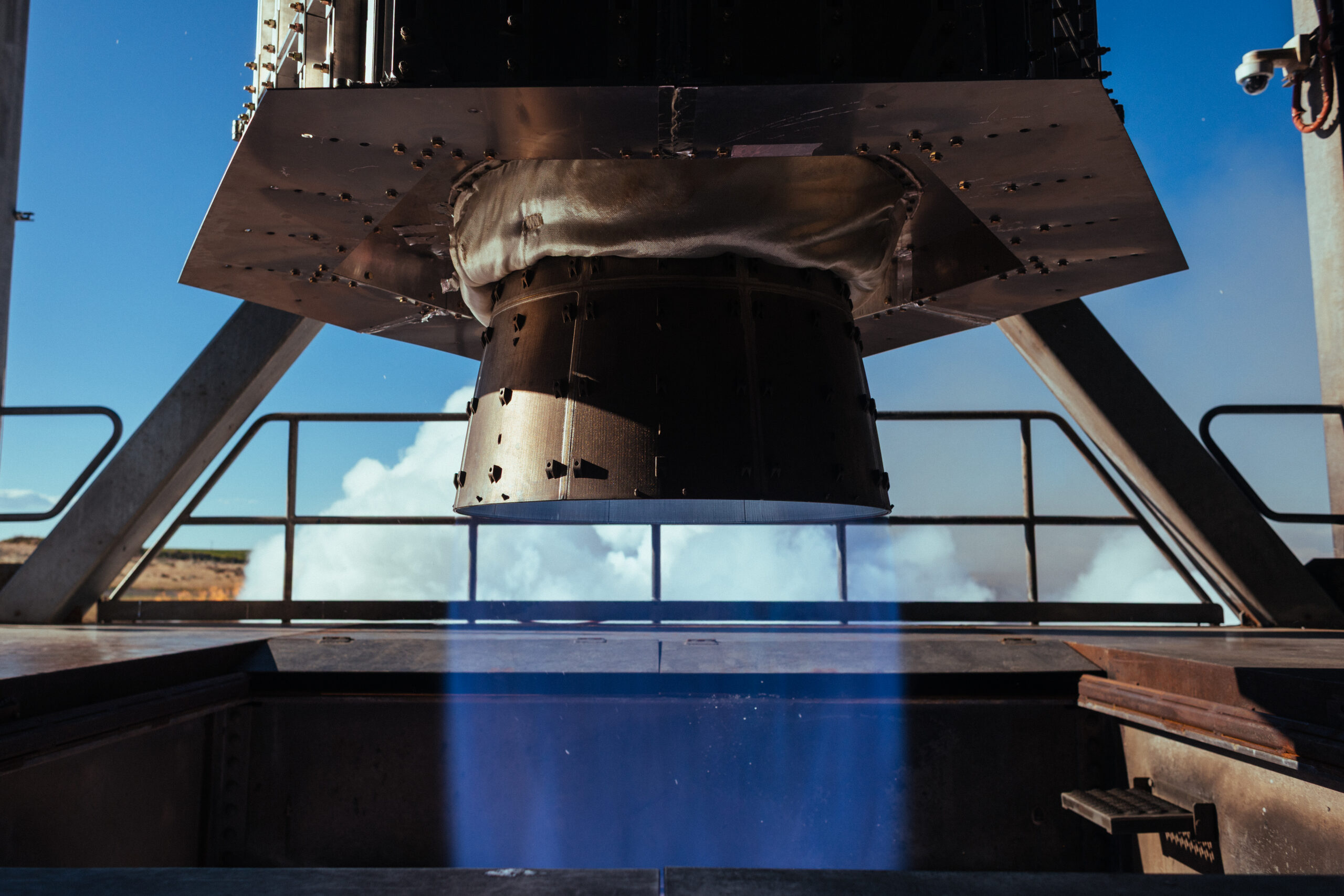
Stoke Space’s Zenith engine uses a full-flow staged combustion cycle. One of the key assemblies is the oxidizer turbopump, which routes liquid oxygen through a preburner, drives a turbine, and feeds the main injector. The materials must survive cryogenic temperatures and oxygen-rich combustion gas. The tolerances are tight. The consequences of getting it wrong are severe.
But the engineering challenge isn’t just designing this; it’s building it repeatably with full confidence in every unit that comes off the floor. That’s a software problem. Specifically, it’s three requirements that manufacturing software must get right simultaneously:
1. A Traceability System for Manufacturing: Every Build Needs a Real Chain of Custody
Traceability in manufacturing systems is a requirement. Every material has a pedigree, and every step in the build has a record. When something anomalous happens during a test, you need to walk the chain backward from test result to procedure step to specific material lot. If that chain has gaps, you don’t have traceability; you have documentation.
This is the difference between a traceability system for manufacturing that can produce audit-ready build records on demand and one that requires someone to reconstruct history by hand after the fact. With material traceability software, the chain is built as the work happens, not assembled retroactively when an auditor or a failure investigation asks for it.
2. Authoring Flexibility: Procedures Have to Keep Up With Reality
Procedures can’t be static documents that take weeks to update. Engineers need reusable templates. Technicians doing a run need to be able to redline a step when reality diverges from the plan.
That redline needs to flow into the next version of the procedure automatically. It can’t sit in someone’s notebook, disconnected from the digital thread that’s supposed to connect design, work plans, and build records.
Material traceability software that can’t absorb shop floor feedback quickly just becomes another source of drift between what’s written and what’s actually done.
3. Peer Review and Version Control: The Same Rigor Software Teams Already Trust
No procedure change should reach the floor unreviewed. This is something software engineers understand intuitively; you wouldn’t merge code to production without a review and a version history. Manufacturing procedures for flight hardware deserve the same rigor. Every revision needs an owner, a reviewer, and a timestamp that ties it back to the build records it affected.
Why These Three Requirements in Manufacturing Traceability Solutions Can’t Be Separate Features
Traceability without version control means you can’t fully trust the record, because you don’t know which version of the procedure was actually executed. Flexible authoring without peer review means you’re trading safety for speed.
That’s why manufacturing process tracking software has to treat traceability, authoring flexibility, and peer review as one connected system, not three modules bolted together.
This is what we’re building with Boltline. The assemblies are complex, and the system that produces them needs to be traceable, flexible, and versioned, all at once.
Want to see how Boltline Connects procedures, inventory, and build records automatically? Get in touch with our team.